
Al for Creative Production
A handbook for the ethical use of AI in creating or processing text, images, video, and audio
AI for Creative Production is for creative professionals who want to understand AI better, so they can use AI in their creative practice. It’s not a book to help anyone replace creative humans or their creativity.
This book is for anyone who has wondered if AI can help with their creative work: writing, or photography, or video, or audio. I create in all those mediums myself, and I’ve used real-world assets, testing many services to discover the gems that might actually help your workflows — with an up-front focus on the ethics of using these tools.
While I did discover a number of useful tools, not all of them fulfilled their promises.
There’s no hype here; I’m not trying to convince you that AI is the future, just trying to teach you how to use the best parts of it. Creatives need to know what AI tools can and cannot do well, and that’s what this book is all about.
I hope you enjoy the book, and are able to remain creative in our weird world of slop and shrinking attention spans.
As a longer introduction, here’s the preface to the book, along with some of the book’s images. Alternatively, take a look at the chapters.
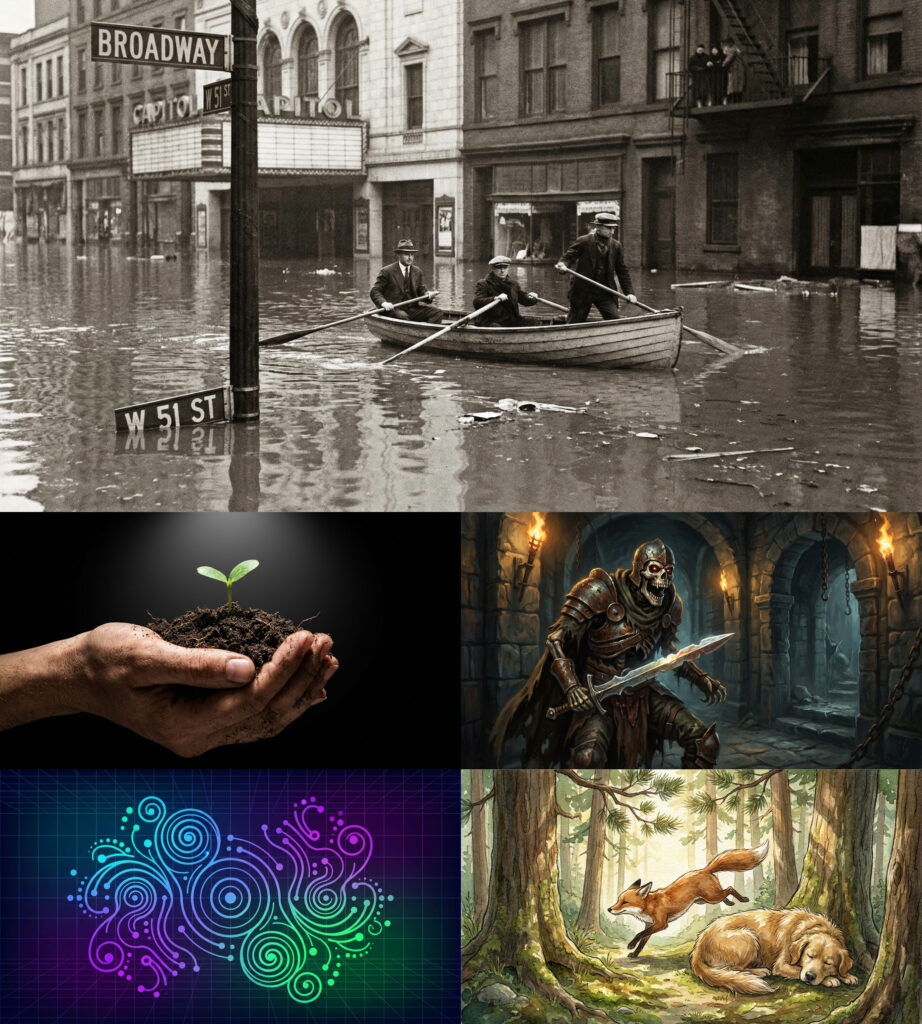
Artificial Intelligence is one of the most divisive technologies of our time, especially for creatives. If you believe the hype, it’ll replace all filmmakers and photographers within a couple of years, and nobody will ever create anything by hand again. But hype rarely becomes truth.
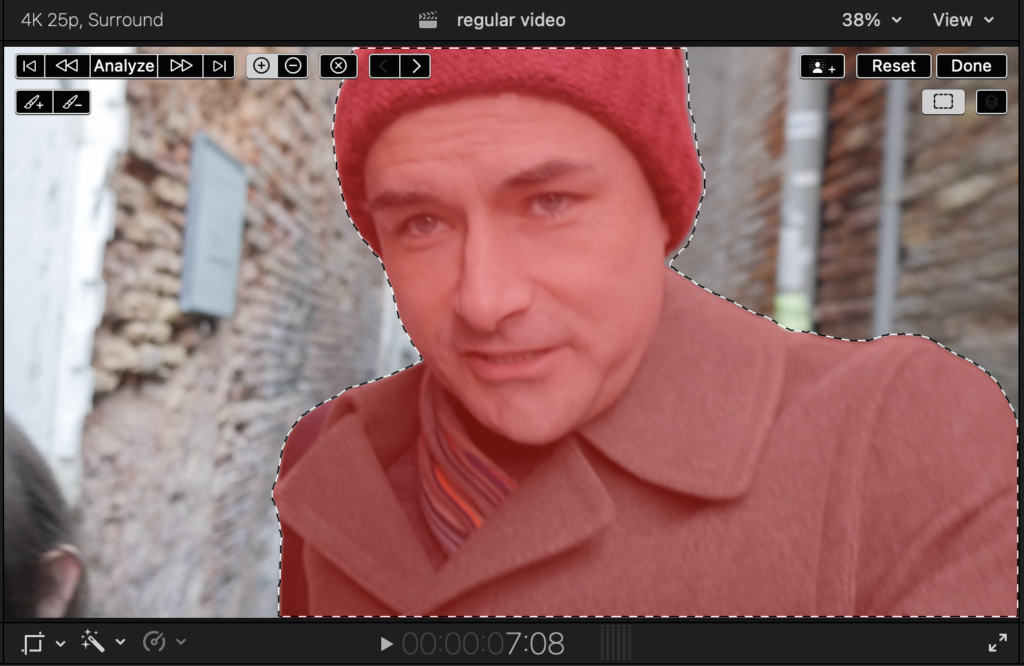
Instead, in this book you’ll see how AI has the potential to help creatives become more creative. While AI will perform some tasks that creatives might have once been given, clients who don’t see the value of a human were already using templates and presets. When it comes to jobs that require creativity, humans still win.
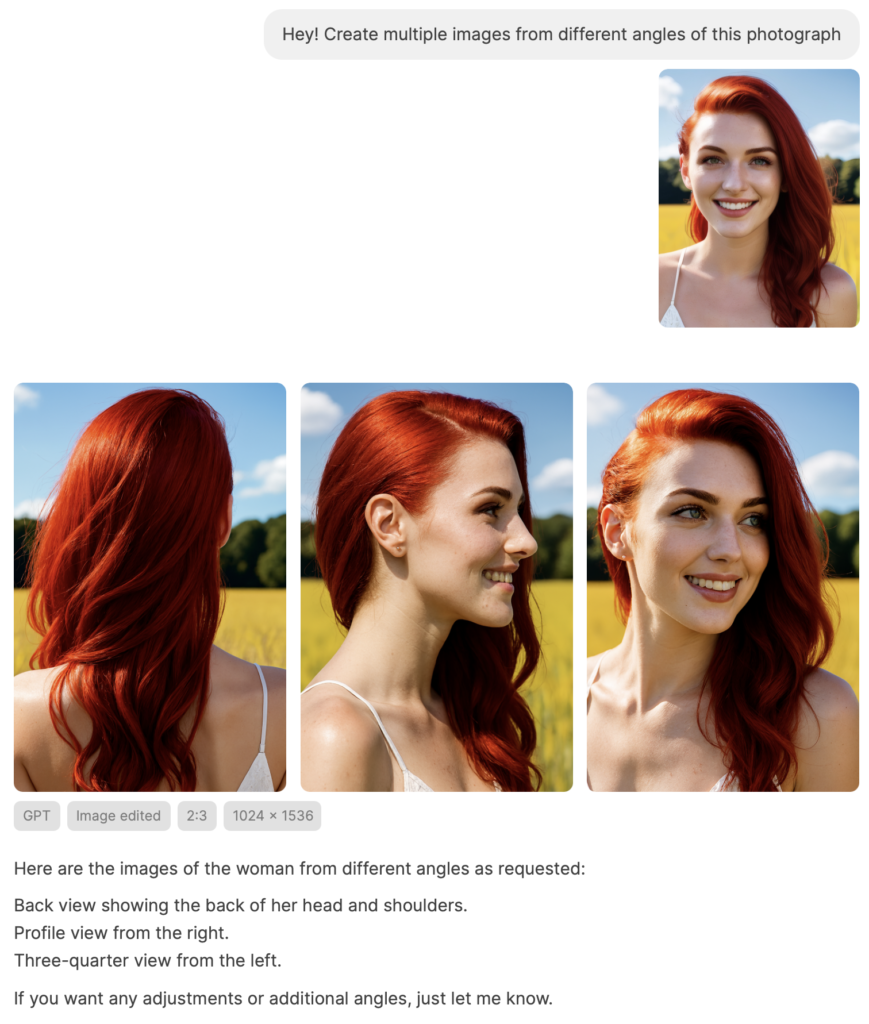
A creative person can, if they wish, augment their capabilities by using the right AI tools and avoiding others. A common refrain I see among creatives is to describe a tool as “good AI” or “machine learning, but not AI”, but this distinction can be better expressed as Utility AI or Automation AI vs Generative AI, and there’s more on this in Chapter 1:
Utility AI: recognition, classification and understanding
Generative AI: creation of text, images, video, audio and more
Automation AI: performing tasks humans usually would
Some tasks are boring, tedious, or even impossible for a human to do well. Today, Utility AI tools can help you perform a task, or, if it’s more predictable, Automation AI can do it for you. Few creatives want to select pixels one-by-one or trace outlines frame-by-frame, and even if an AI tool isn’t perfect, a human can often benefit from its help. Some jobs can be automated or made easier; others are best done by hand. It’s up to you.
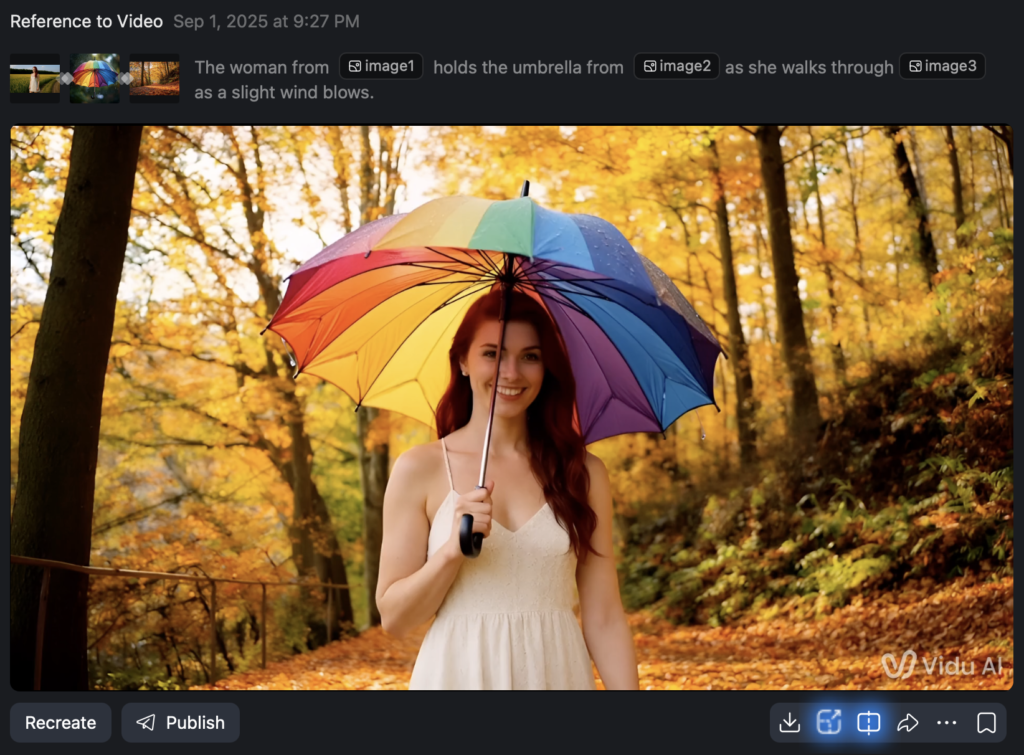
And even though Generative AI attracts most of the hate, that doesn’t mean it’s all bad; it depends how you use it. While copyright and ethical concerns are real (see Chapter 2) remember that in the development process, while you’re coming up with ideas, almost anything goes. Hollywood directors use soundtracks from other movies while they edit new ones, and mood boards at every level are filled with other people’s work. This isn’t new, and if you do it right, it’s possible to use Generative AI to help develop ideas while humans create the finished product.
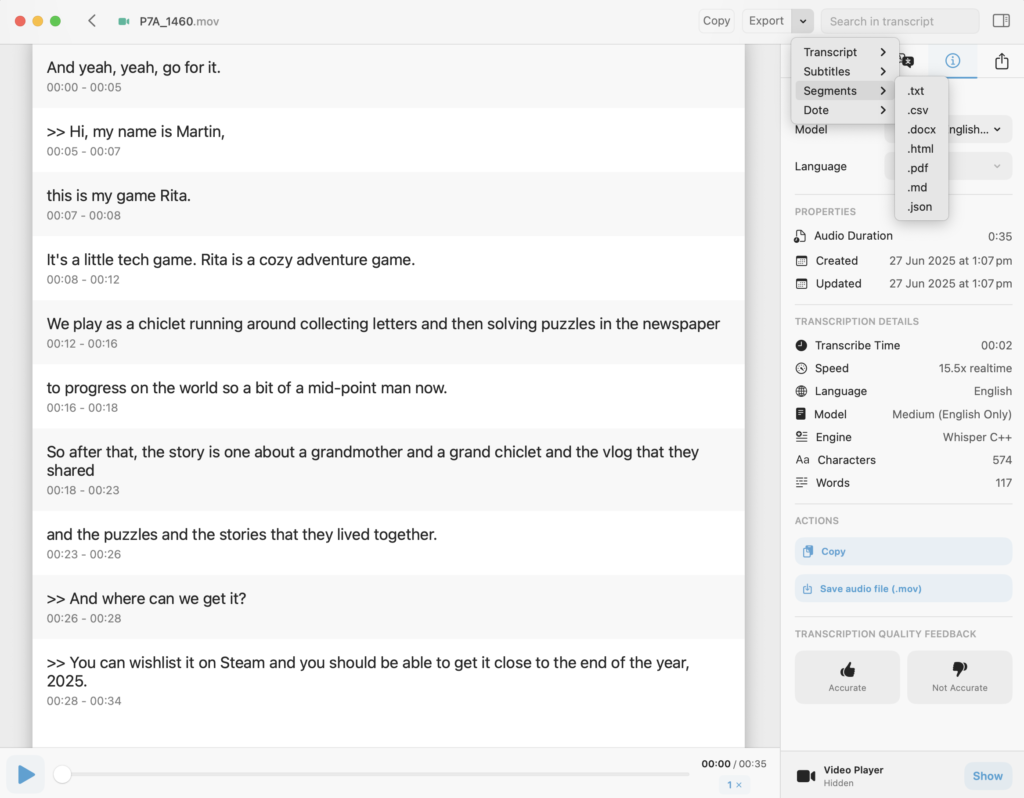
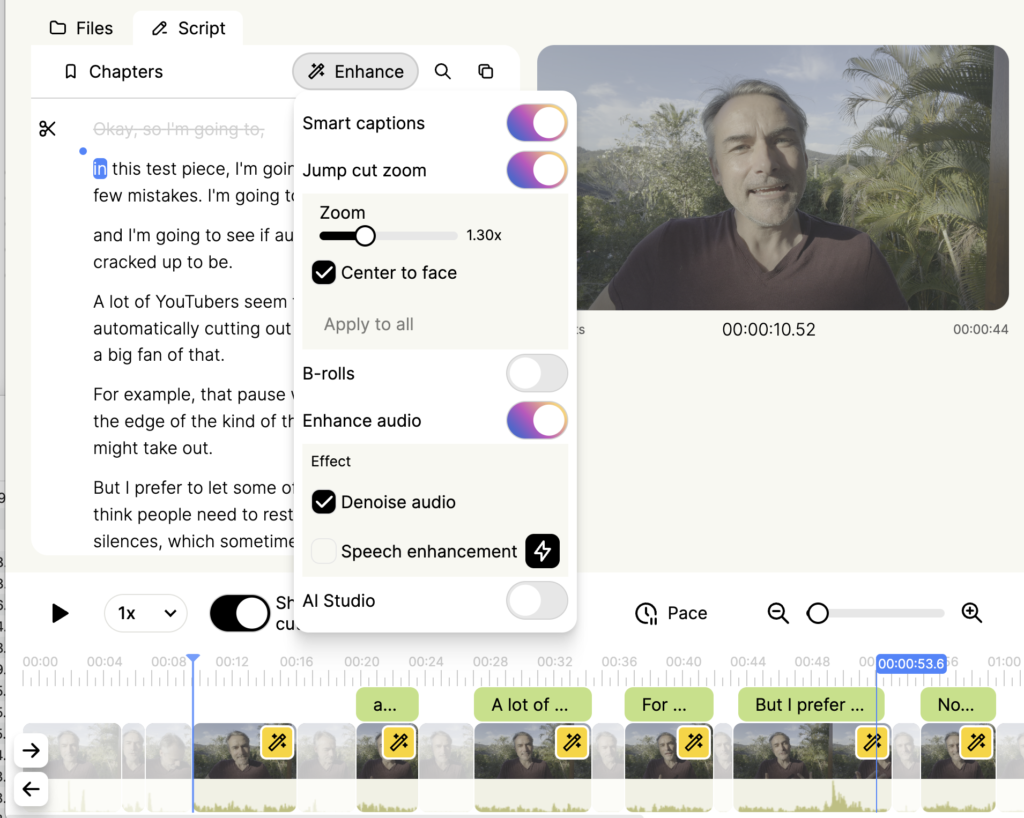
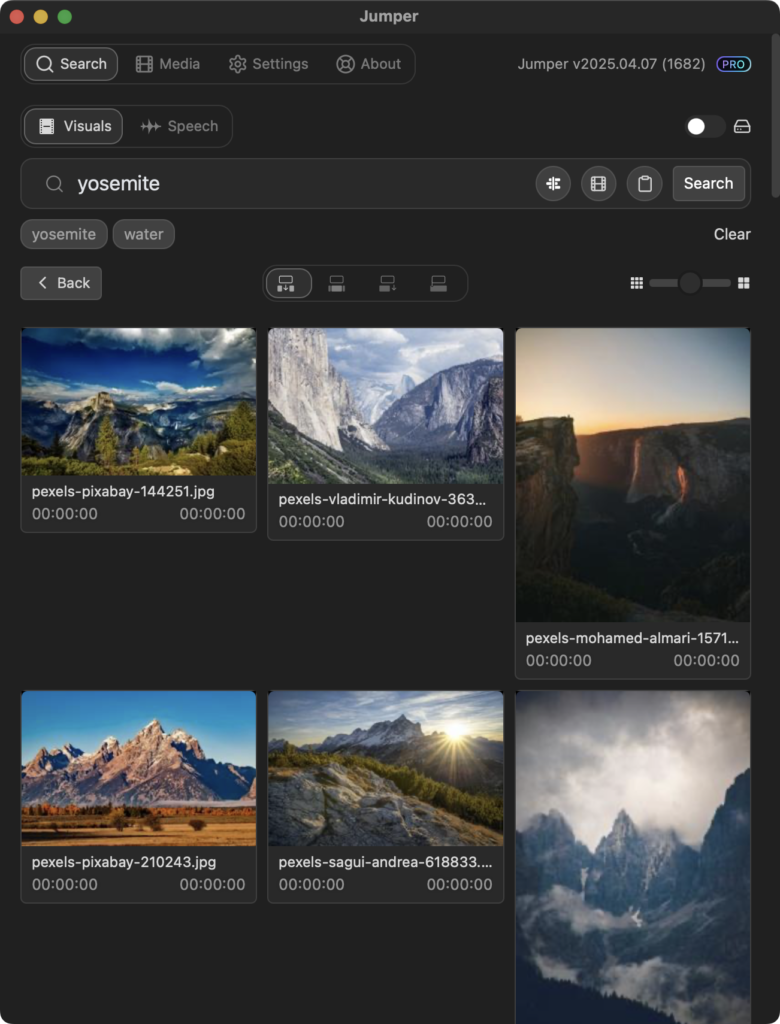
To help you make sense of the huge number of tools and apps employing AI-powered features, I’ve taken a broad view here, testing as many web-based services and locally-run apps as possible. While I have included step-by-step instructions for some of the better-hidden features in desktop apps, for easy-to-use websites, I’ve focused mostly on results.
As this is a book primarily for non-technical creatives, most of the solutions examined here are public-facing apps and services. Enthusiasts and developers may wish to explore the world of open source models, but most designers aren’t coders, and you won’t need to code to follow the examples here.
Throughout, I’ve tried to give an honest appraisal of how well these systems fulfil their promises when given real-world problems. While some just didn’t work well for me, they may work for you. Indeed, the speed of change in AI means those systems have probably changed since I tested them: some will have improved, some are more expensive, and some no longer exist.
New models and new tools will continue to appear, and you should always be ready to test on your own. But always be wary of hype, because it’s possible for a solution to be technically impressive and still useless.
As you explore AI tools for creative professionals, you’ll be promised the world. Sometimes, you’ll be amazed at how quickly a boring job (like transcription) can be performed. At other times, the juxtaposition of amazement and disappointment can be jarring, such as when I asked an AI to write a song about friends on holiday at the beach. It was amazing to be given four passable songs in 30 seconds, but disappointing (and hilarious) that two of the songs were from the perspective of a robot pool cleaner.
Exploring these tools has been a wild and fascinating ride, and I’m sure it’s going to stay that way for some time to come. On your own travels, expect imperfection: take the good, discard the bad. But don’t let a robot replace your creativity.
For more information, take a look at the chapters.
Available at Amazon US in paperback and Kindle formats (also in UK, Canada, Australia).